Cincinnati Commercial Janitorial | (513) 301-0162 | Call for a Free Estimate

Category: Uncategorized

  • Industrial vacuum and tools in a newly renovated commercial space during post-construction cleanup

    Post-Construction Cleanup in Cincinnati: Getting Your Space Ready to Open

    The construction crew has finished, the punch list is shrinking, and the space almost looks like the renderings. Almost. Between substantial completion and opening day sits a job that decides first impressions: post-construction cleanup. Drywall dust migrates everywhere, stickers cling to new glass, and floors carry a film that regular mopping will not lift. This guide explains how professional post-construction cleanup in Cincinnati works, phase by phase, so your space opens clean instead of merely finished.

    Why a Built Space Is Not a Clean Space

    Construction soil is different from everyday soil. Fine drywall and concrete dust settle on every horizontal surface, work their way into HVAC returns, and resurface for weeks if they are only pushed around. Add adhesive residue, paint specks, caulk smears, packaging film, and tracked-in grit, and a new space can look dull and feel gritty even though everything in it is brand new. Removing that layer takes a planned sequence, the right tools, including HEPA-filtered vacuums, and enough time. It is not a bigger version of a nightly janitorial visit; it is a different scope of work.

    The Three Phases of Post-Construction Cleanup

    Professional post-construction cleanup is usually organized in phases that track the construction schedule:

    • Rough clean: Done during or just after major work. Bulk debris is removed by the trades; the cleaning crew sweeps, vacuums heavy dust, and makes the space safe and workable for the next trade.
    • Detailed final clean: After construction is complete and before handover. Every surface is cleaned top to bottom: dust removal, glass, fixtures, floors, and detail work. This is the phase that makes the space presentable.
    • Touch-up clean: A lighter pass shortly before opening, after final walkthroughs, deliveries, and furniture installation stir the dust back up. It restores the final-clean standard for day one.

    Not every project needs all three phases, but skipping the touch-up is the most common reason a space looks dusty again on opening morning.

    What the Detailed Final Clean Covers

    • High-to-low dust removal: ceilings, ledges, light fixtures, vents, and exposed ductwork within reach
    • Walls, baseboards, doors, and frames wiped; paint and adhesive spots addressed
    • Interior glass, mirrors, and partitions cleaned; labels and protective film removed
    • Cabinets, counters, and fixtures cleaned inside and out
    • Restrooms fully detailed and sanitized, with new fixtures polished
    • Floors vacuumed with HEPA filtration, then mopped or machine-scrubbed as the surface requires
    • Stairwells, elevators, and entry areas detailed, including tracked-in construction grit

    Floors and Glass Deserve Special Attention

    New floors often carry a construction film that dulls the finish; cleaning them correctly means matching the method to the material, whether that is luxury vinyl, polished concrete, tile, or carpet that needs extraction after dry soil removal. Glass is similar: new windows and storefronts come with stickers, silicone smears, and dust baked on by sunlight, and they need careful work that removes residue without scratching. Both are places where rushing shows immediately, because light hits floors and glass first.

    Timing: Schedule Cleaning Around the Trades

    The most common scheduling mistake is booking the final clean while painters or electricians are still working; their dust and debris undo it within hours. Sequence the detailed clean after the last trade finishes, allow enough time for dust to settle after any final sanding or cutting, and hold the touch-up for after furniture and equipment are placed. Build the cleaning into the project schedule from the start, with the same seriousness as inspections, because opening dates rarely move.

    Scope Boundaries Worth Agreeing in Writing

    Post-construction cleanup normally covers cleaning, not construction waste hauling: bulk debris, dumpsters, and hazardous materials belong to the contractor’s scope unless you agree otherwise in writing. The same goes for exterior pressure washing, high exterior glass, and cleaning inside sealed mechanical systems. A walkthrough of the actual site before work begins is how both sides agree on what “done” looks like, room by room, and what the handover standard is.

    From Construction Clean to Opening Day, and Beyond

    The last step is a joint walkthrough: lights on, room by room, checking glass against the light, floors at the entries, and restrooms fixture by fixture. Once the space opens, it needs a recurring program to hold the standard, which is where regular janitorial service takes over from the project crew. We handle both sides of that handoff. Estimates start with a free on-site walkthrough and a written scope, with no deposit required and our work backed by a 2-year warranty. If your Cincinnati project is approaching the finish line, call (513) 301-0162 Monday through Friday, 7:00 AM to 9:00 PM, and we will schedule the phases around your opening date.

    Opening-Week Cleaning Checklist

    • Detailed final clean completed after the last trade leaves the site
    • HVAC vents and returns dust-free before systems run full time
    • Glass, mirrors, and entry doors spot-checked in daylight
    • Floors finished according to the manufacturer’s guidance for new material
    • Restrooms stocked and sanitized before staff move-in
    • Touch-up clean booked after furniture and equipment placement
    • Recurring janitorial schedule set to begin the first week of operation

    Print this list and walk the space with it the day before opening. Anything left unchecked becomes the touch-up crew’s punch list, and it is far easier to fix before your first customer walks in than after.
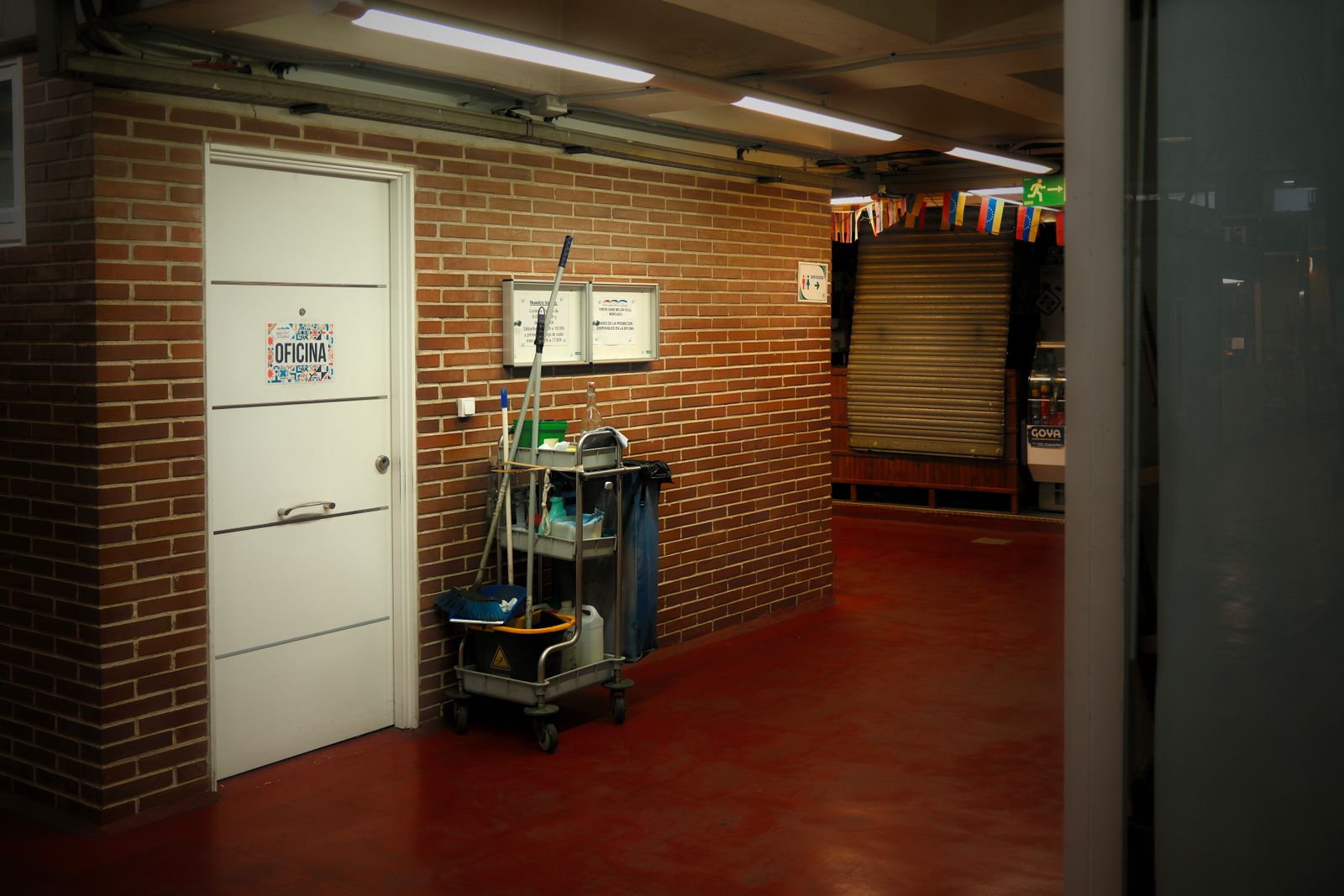
  • Janitorial cart stocked with cleaning supplies in a commercial building hallway

    Janitorial Service vs. In-House Cleaning: An Honest Comparison for Cincinnati Businesses

    Every Cincinnati business with a physical space eventually faces the same decision: hire your own cleaner, or contract a janitorial service? Both models work, and both fail, depending on the building and how honestly you count the costs. We sell one side of this comparison, so we will be direct about where the other side genuinely wins. Here is the full picture, line by line.

    The Two Models at a Glance

    In-house cleaning means the cleaners are your employees: you hire them, schedule them, supply them, and supervise them. A janitorial service means a contract: the provider employs the cleaners, brings supplies and equipment, and is accountable for a written scope of work. The real differences sit in five places: total cost, coverage, expertise, management time, and flexibility.

    What In-House Cleaning Really Costs

    The hourly wage is only the first layer. On top of it sit employer payroll taxes, workers’ compensation and liability exposure, any benefits you offer, paid time off, and the cost of covering absences. Then come the operating costs: cleaning chemicals and consumables, vacuums, mops, carts, and floor machines, plus maintenance and replacement when they break. Finally, the management layer: recruiting in a tight labor market, training, scheduling, inspecting the work, and rehiring when someone quits. None of these costs is unreasonable, but they are real, and businesses routinely undercount them by comparing a service quote against a wage alone.

    What a Janitorial Service Charges For

    A service quote bundles those same layers into one number: labor, supervision, supplies, equipment, insurance carried by the provider, and backup staffing. That bundling is the honest core of the comparison. If the bundled price is lower than your fully loaded in-house cost, the service wins on price; if your building is small and simple, it may not be. Any provider should be able to explain what is inside their number, and how the scope maps to it.

    Coverage and Consistency

    This is where the models diverge most sharply in daily life. One in-house cleaner calling in sick means the building does not get cleaned, or your other staff absorb it. A service is contractually responsible for coverage; a substitute cleaner is their problem, not yours. The trade-off runs the other way too: an in-house cleaner knows your building’s quirks intimately and is present during the day for the unexpected spill, while a service typically works a scheduled route, often after hours, unless you add day porter services for daytime coverage.

    Training, Safety, and Compliance

    Professional cleaning involves chemical handling, equipment safety, and, in medical or food environments, real compliance expectations. A service trains for this as its core business and spreads that training across many accounts. In-house, that responsibility is yours: feasible, but it is another program to run, document, and keep current when people turn over.

    Management Time: The Hidden Line Item

    Ask who in your organization will interview cleaners, build the schedule, check the restrooms on a Friday, and handle the complaint when the lobby was missed. With a service, your management time shrinks to a periodic walkthrough and a call when something changes. For a small business where the owner or office manager wears every hat, that time is often the deciding factor, and it never appears in the wage comparison.

    Where In-House Genuinely Wins

    Honesty requires this section. In-house often makes sense when your space is very small and a few hours a week covers it; when you already employ facilities staff with spare capacity; when cleaning must happen continuously throughout the day as part of operations, such as in some production or food environments; or when security rules make outside crews impractical. If that describes your building, a service may be a solution to a problem you do not have.

    Where a Service Genuinely Wins

    A service tends to win when cleaning needs are substantial or after-hours; when you want one accountable contract instead of a hiring pipeline; when coverage cannot lapse; when periodic project work (floor care, carpet extraction, windows) should come from the same accountable source; and when management time is scarce. Consistency is the common thread: the program runs whether or not any individual is available.

    A Simple Decision Framework

    Do three things. First, compute your true in-house cost with every layer above, not just wages. Second, get a written service quote against a defined checklist for your building, so the comparison is scope to scope. Third, weigh the soft factors: coverage risk, supervision capacity, and how cleaning quality affects your customers and staff. The right answer follows from your numbers, not from either industry’s marketing.

    How We Handle Our Side of It

    Our model is built to make the comparison easy: a free on-site walkthrough, a customized checklist, and a free written estimate with the scope attached, so you can put our number next to your in-house math line by line. Our process explains each step. No deposit is required to start, and our work is backed by a 2-year warranty. If in-house wins for your building, we will tell you so. Call (513) 301-0162 Monday through Friday, 7:00 AM to 9:00 PM, to start the conversation.

  • Bright, modern office interior with rows of workstations and chairs

    How Much Does Commercial Janitorial Service Cost in Cincinnati? The Factors Behind Your Quote

    Ask five janitorial companies what commercial cleaning costs and you will get five different answers, because there is no standard rate card for this work. Every quote is built from your building: its size, its schedule, and the checklist it needs. That is not a dodge; it is how the pricing actually works. This article walks through the factors behind a commercial janitorial quote in Cincinnati, adds some clearly labeled general market context, and explains how to get a number you can rely on. For our own overview of pricing structure, see our Cincinnati janitorial cost guide.

    Factor 1: Cleanable Square Footage

    Size is the starting point, but the number that matters is cleanable area, not total building area. A 20,000-square-foot warehouse with two small offices and a restroom block has far less nightly cleaning than a 20,000-square-foot office floor packed with workstations. Providers measure the space that actually gets serviced: offices, work areas, restrooms, break rooms, lobbies, and corridors. Mechanical rooms, storage, and production floor you handle yourself usually stay out of the calculation, which is one reason a walkthrough beats a phone quote based on a listing’s square footage.

    Factor 2: Cleaning Frequency

    Frequency is the biggest single multiplier. Five visits a week is not five times the cost of one, because setup, travel, and supervision spread across visits, but it is substantially more. Many buildings do not need the same frequency everywhere: restrooms and lobbies may need daily attention while private offices hold up with three visits a week. Splitting frequency by area is one of the most effective ways to control cost without cutting quality where people notice it.

    Factor 3: Facility Type and Its Requirements

    What happens inside the building changes the work. Medical facilities carry disinfection protocols and documentation expectations that general offices do not. Restaurants add grease, dining-area turnover, and health-inspection pressure. Retail depends on presentation during open hours. Warehouses bring dust, dock areas, and large floor surfaces. Each type shifts labor time, products, and supervision, and therefore price. Our services overview shows how the programs differ by facility.

    Factor 4: Scope and Checklist Depth

    Two quotes for the same building can differ by half simply because one checklist includes glass, high dusting, and detail work while the other covers trash and restrooms. Depth costs time: disinfecting every touchpoint, wiping every desk, and mopping every hard floor on every visit is a different program from a light nightly tidy. This is why comparing quotes without comparing checklists misleads. Ask each provider to price the same written task list.

    Factor 5: Restrooms and Traffic

    Restrooms are the most labor-intensive rooms per square foot, and their count and traffic drive real time. A building with six heavily used restrooms needs more nightly labor than a larger building with two. Entrances matter too: Cincinnati winters track salt and grit deep into a building, and high-traffic entries need matting attention, frequent vacuuming, and more mop work to protect the floors beyond them.

    Factor 6: Floors and Periodic Services

    Floor mix affects both nightly time and periodic budgets. Carpet needs vacuuming nightly and extraction cleaning on a cycle; hard floors need mopping nightly and machine scrubbing or burnishing periodically; window cleaning is usually scheduled separately. Sensible quotes separate the recurring program from periodic project work so you can see what you are paying for each, instead of burying projects in an inflated monthly figure.

    General Market Context (Not a Quote)

    To be clear about what follows: this is general market framing for budgeting, not Cincinnati Commercial Janitorial pricing, and not a quote for your building. Across the industry, recurring janitorial service is commonly priced as a monthly contract built from labor hours, and published industry surveys often express it in a broad range per cleanable square foot per month, with small, high-frequency, or high-requirement facilities at the top of the range and large, simple, low-frequency spaces at the bottom. Per-visit pricing for small offices and one-time project rates follow the same logic. Use ranges like these only to sanity-check that a quote is in a plausible band; the building-specific walkthrough is what produces a real number.

    Why the Lowest Quote Can Cost More

    An underpriced contract usually pays for itself in missed tasks, rotating unfamiliar cleaners, and a building that slowly looks tired, until you spend management time policing it and eventually switch providers anyway. The better comparison is cost per result: a written checklist, consistent crews, supervision, and a provider who puts the estimate in writing and stands behind the work. Ask what happens when something is missed, and how quality is checked, before you sign the cheaper number.

    How to Get an Accurate Number for Your Building

    The reliable path is short: schedule an on-site walkthrough, build the checklist with the provider room by room, and get the price in writing with the scope attached. That is how we quote every facility: the walkthrough and written estimate are free, no deposit is required to start, and our work is backed by a 2-year warranty. Call (513) 301-0162 Monday through Friday, 7:00 AM to 9:00 PM, and we will price your actual building instead of a guess.

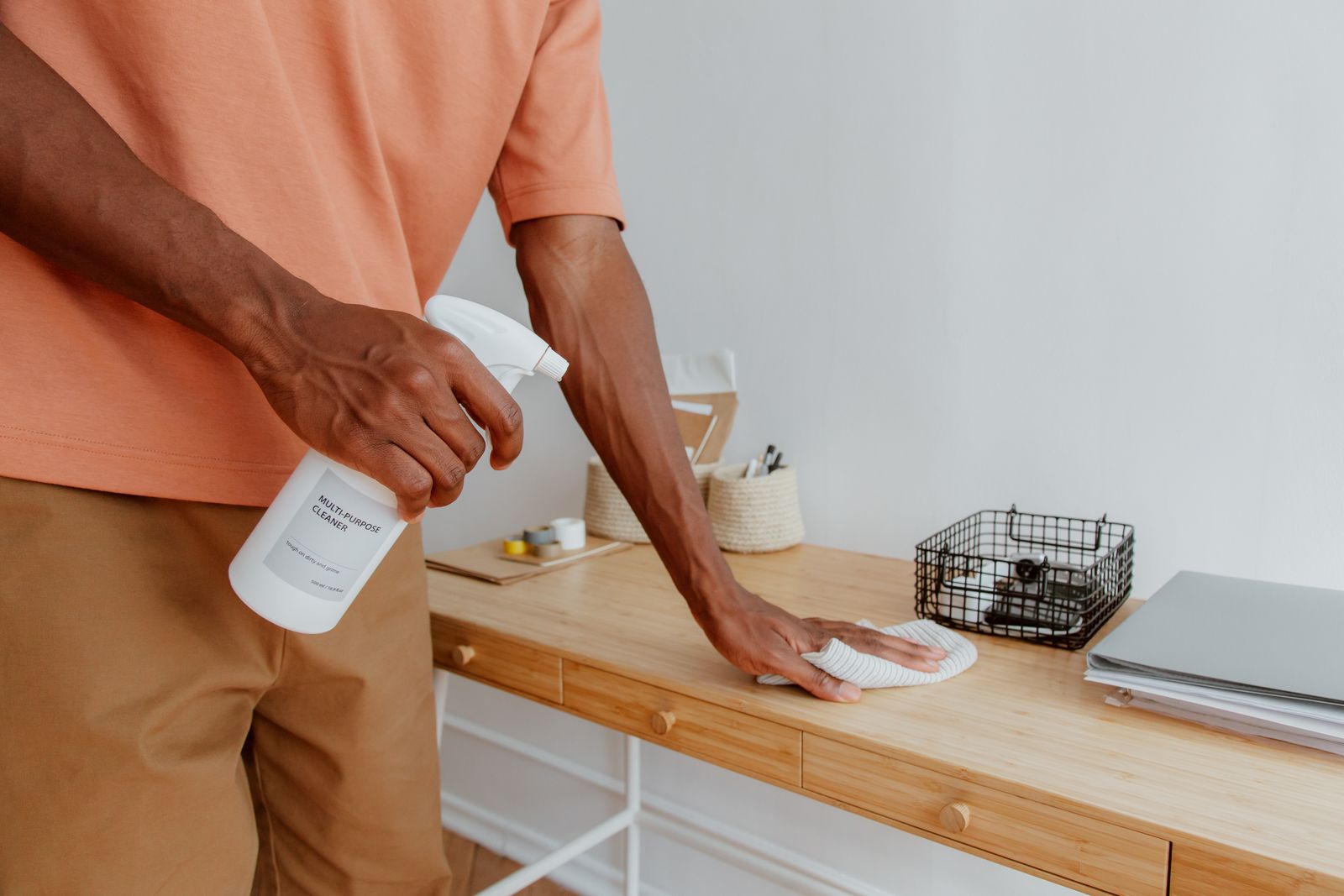
  • Professional cleaner wiping down an office desk with a spray bottle and cloth

    Office Cleaning Checklist: What a Professional Janitorial Service Actually Covers

    “Office cleaning” can mean almost anything until it is written down. One provider’s nightly visit covers desks, restrooms, and floors in detail; another’s covers trash and a quick vacuum, and both call it a full service. The difference is the checklist. Below is the office cleaning checklist a professional janitorial service actually works from, room by room, so you can compare your current service, or any quote, against a real standard. Every item here is part of the customized checklist we build for each facility from our full range of janitorial services.

    Why a Written Checklist Matters

    A checklist turns a vague promise into a verifiable routine. It defines which rooms are cleaned, which tasks happen on every visit, and which happen weekly or on rotation. It also gives both sides the same reference point: when something looks missed, you compare the room against the list instead of arguing from memory. A professional provider builds this list with you during the initial walkthrough, prices the work from it, and updates it as your office changes.

    Reception, Lobbies, and Entryways

    These spaces set the first impression, so they get attention on every visit:

    • Entry glass and door handles cleaned and disinfected
    • Reception desks and counters wiped down
    • Waiting-area seating dusted and wiped
    • Floors vacuumed or swept and mopped, including entry mats
    • Trash and recycling emptied, liners replaced
    • Light switches, elevator buttons, and other touchpoints disinfected

    Offices, Workstations, and Conference Rooms

    The heart of office janitorial service is the work area itself:

    • Desks and work surfaces dusted and wiped, respecting papers and personal items per your instructions
    • Phones, keyboards, and shared equipment touchpoints disinfected
    • Conference tables cleaned, chairs straightened, whiteboards wiped as requested
    • Trash and recycling collected from every office and workstation
    • Carpet vacuumed, including edges and under-desk areas on rotation
    • Glass partitions and interior windows spot-cleaned

    Restrooms

    Restrooms are where cleaning quality is judged most harshly, and they carry the longest task list:

    • Toilets and urinals cleaned and disinfected, inside and out
    • Sinks, faucets, counters, and mirrors cleaned
    • Partitions, door handles, and dispensers disinfected
    • Floors swept and mopped with disinfectant
    • Paper products, soap, and supplies restocked
    • Trash emptied and sanitary receptacles serviced

    Break Rooms and Kitchens

    • Counters, sinks, and faucets cleaned and disinfected
    • Appliance exteriors wiped, including microwaves inside and out
    • Tables and chairs cleaned
    • Floors swept and mopped
    • Trash and recycling emptied, with liners replaced

    Floors Throughout the Building

    Every visit covers the basics: carpet vacuumed in traffic areas, hard floors swept and damp-mopped, and entry mats shaken or vacuumed so tracked-in grit does not spread. On a scheduled rotation, the checklist adds detail vacuuming along edges and under furniture, spot treatment for carpet stains, and machine work. Periodic commercial floor care and carpet cleaning sit on top of the nightly routine, not instead of it.

    Trash, Recycling, and Supplies

    A complete visit ends with waste collected from every room, liners replaced, and centralized trash taken to the building’s designated area. Restroom and break room supplies are checked and restocked so the building never starts the morning with an empty dispenser. Your checklist should state plainly who provides consumables and cleaning supplies, so there are no surprises later.

    Periodic and Detail Work

    Some tasks do not belong on a nightly list but must live somewhere in writing: high dusting of vents, ledges, and light fixtures; interior window and glass cleaning; upholstery and partition spot cleaning; vent and baseboard detail; and refrigerator clean-outs on request. Assign each a frequency, monthly, quarterly, or seasonal, when the checklist is built.

    What Is Usually Not Included Unless You Add It

    A standard janitorial checklist does not automatically include exterior windows, pressure washing, deep kitchen equipment degreasing, or cleaning inside personal desk drawers and cabinets. None of these are problems; they are simply scope decisions. If you want them covered, add them to the checklist at the walkthrough so they are priced and scheduled, not assumed.

    Put This Checklist to Work

    Use this list to audit your current arrangement: walk your office with it after your next scheduled clean and note what matches and what does not. If you are evaluating providers, ask each one to price the same written checklist. That is exactly how we start: a free on-site walkthrough, a customized checklist for your office, and a free written estimate, with no deposit required and our work backed by a 2-year warranty. Call (513) 301-0162 Monday through Friday, 7:00 AM to 9:00 PM, to schedule yours.

    Matching the Checklist to Your Cleaning Schedule

    Not every task happens on every visit, and the checklist should say so explicitly. A common structure is nightly tasks (trash, restrooms, touchpoints, floors in traffic areas), weekly tasks (detail dusting, glass, edge vacuuming), and monthly or quarterly tasks (high dusting, vents, machine floor work). Frequency also varies by room: a client-facing lobby may need daily attention while a storage room needs only a weekly pass. Writing the frequency next to each task prevents the slow drift where everything gradually becomes “as needed,” which usually means not done at all. When your building’s headcount, hours, or layout changes, update the frequencies at the same time. The checklist is a living document, and a short review each quarter keeps it honest.

  • Clean, modern office interior with glass partitions in a commercial building

    Commercial Janitorial Services in Cincinnati: A Facility Manager’s Guide

    If you manage a commercial facility in Cincinnati, janitorial service is one of those contracts that quietly shapes everything else. Tenants judge the building by its lobbies and restrooms. Employees notice whether the break room is genuinely clean or just tidied. Visitors form an opinion before they reach your door. This guide walks through what commercial janitorial services in Cincinnati actually include, how to scope the work for your building, how scheduling and checklists fit together, and how to evaluate a provider before you sign anything.

    What Commercial Janitorial Service Actually Includes

    At its core, a janitorial engagement is a recurring cleaning program built around a written checklist for your specific facility. For most offices, that means office janitorial services covering workstations and private offices, conference rooms, reception and lobby areas, restrooms cleaned and restocked, break rooms and kitchens, trash and recycling collection, and hard floors and carpet kept presentable between deep services. Beyond the office, a full-service provider covers the rest of the building types you may manage: our services include medical facility cleaning, retail and restaurant cleaning, warehouse janitorial, and multi-family common areas, plus periodic work such as commercial floor care, carpet cleaning, window cleaning, and post-construction cleanup.

    Start With a Walkthrough, Not a Square-Foot Guess

    Accurate scoping starts inside the building, not on a spreadsheet. A proper estimate begins with an on-site walkthrough: walking each room type, counting restrooms and fixtures, noting floor surfaces, traffic patterns, entry points, and problem areas like a break room sink that never quite gets clean. That walkthrough should produce a free written estimate with the scope and pricing in writing, so you can compare providers on the same terms. If a quote arrives from a phone call and a square-foot number alone, expect the checklist to be generic and the first invoice conversation to be uncomfortable.

    Building Your Cleaning Checklist

    The checklist is the contract that matters day to day. Build it room by room, and assign every task a frequency: nightly, each visit, weekly, or on rotation. Restrooms need a defined standard, not just “clean”: fixtures disinfected, mirrors and glass, partitions and touchpoints, floors, and supplies restocked. High-touch surfaces throughout the building, including door handles, elevator buttons, railings, and shared equipment, should be named explicitly. Note who supplies consumables, how trash and recycling are handled, and any areas with restricted access. Finally, document the security routine: keys, alarm codes, locked suites, and which doors are checked at the end of a visit.

    Scheduling Around Your Building’s Hours

    Most recurring cleaning happens outside business hours, in the evening after tenants leave, so crews can work through offices and restrooms without disrupting anyone. Frequency is set by traffic: a busy medical office or a high-rise lobby may need nightly service, while a small professional office may be well served two or three nights a week. Buildings with heavy daytime traffic sometimes add day porter services to keep restrooms and lobbies presentable between evening cleans. Whatever pattern you choose, it should be written into the checklist so coverage does not depend on memory.

    What to Look for in a Cincinnati Janitorial Provider

    Ask direct questions and expect written answers. How is the estimate produced, and is it free and in writing? Who is your single point of contact when something is missed? How is quality reviewed over time, and how are corrections handled? What does the provider guarantee, and is a deposit required to start? At Cincinnati Commercial Janitorial, every engagement starts with a free on-site walkthrough and a free written estimate, no deposit is required, and our work is backed by a 2-year warranty. You can read more about our process before you call.

    How Cost Fits Into the Decision

    Price matters, but it should be the last variable, not the first. Once scope, frequency, and checklist are fixed in writing, quotes from different providers become comparable. Our commercial janitorial cost guide for Cincinnati explains the factors that drive pricing, including building size, restroom count, frequency, and floor types, so you can read any quote with clear eyes.

    Getting Started

    If you are reviewing janitorial service for a Cincinnati facility, start with a walkthrough. Call (513) 301-0162 Monday through Friday, 7:00 AM to 9:00 PM, to schedule a free on-site estimate. We serve offices, medical facilities, retail, restaurants, warehouses, and multi-family communities across the communities in our service areas, and every engagement begins with your facility’s own customized checklist, in writing, before recurring service starts.

    Keeping the Program on Track

    A cleaning program drifts when nobody reviews it. Schedule a standing quality review with your provider’s point of contact, monthly at first and quarterly once the routine settles, and walk a short list: restrooms, entries, break rooms, and any tenant complaints since the last review. Update the checklist as your building changes, when a suite turns over, a floor is remodeled, or traffic patterns shift. A provider worth keeping treats that review as part of the service, not a favor, and documents changes to the checklist in writing so the next visit reflects them. When the checklist, the schedule, and the review rhythm are all written down, janitorial service stops being a recurring worry and becomes one of the few building contracts that simply runs the way it should.

Call (513) 301-0162Free Estimate