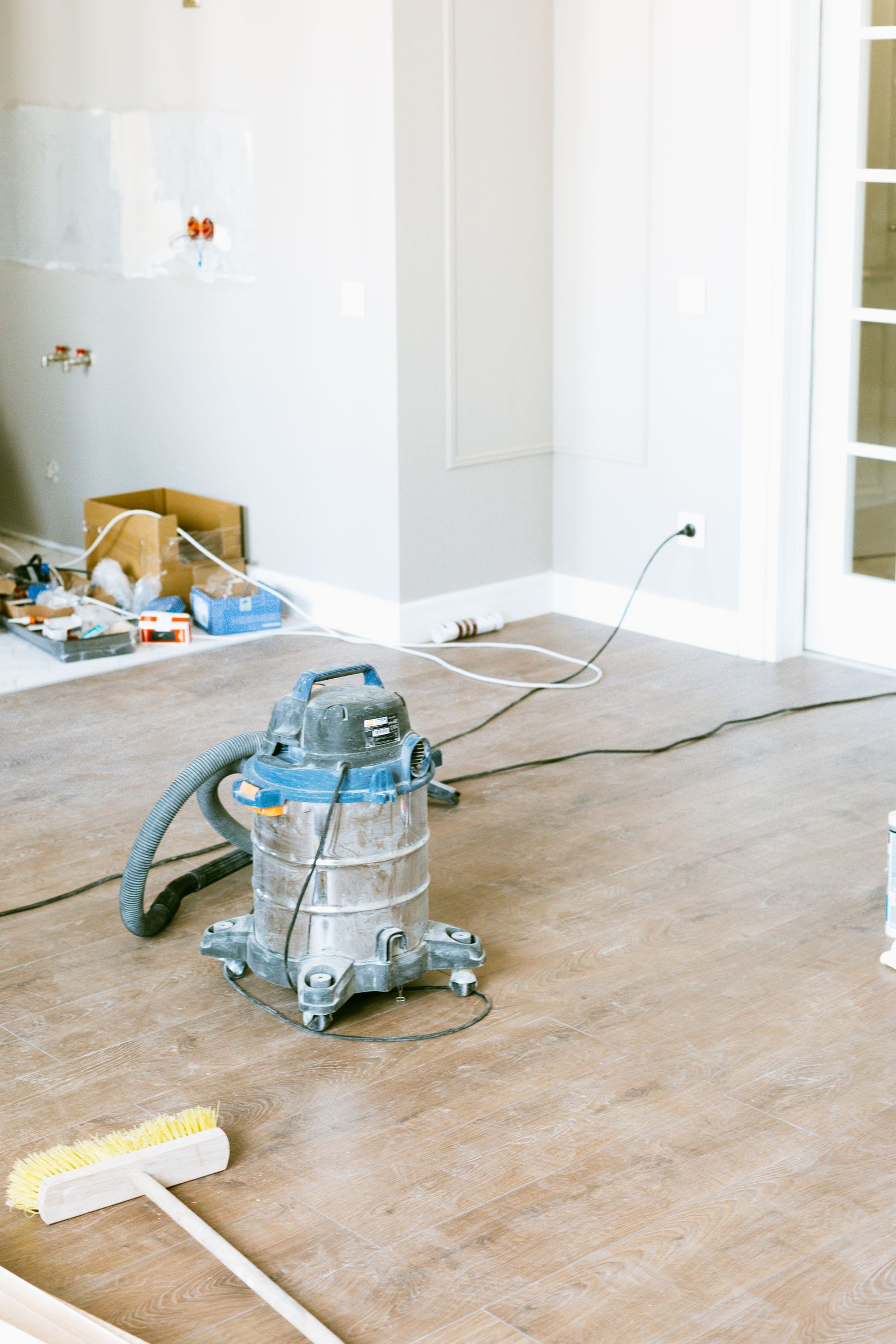
The construction crew has finished, the punch list is shrinking, and the space almost looks like the renderings. Almost. Between substantial completion and opening day sits a job that decides first impressions: post-construction cleanup. Drywall dust migrates everywhere, stickers cling to new glass, and floors carry a film that regular mopping will not lift. This guide explains how professional post-construction cleanup in Cincinnati works, phase by phase, so your space opens clean instead of merely finished.
Why a Built Space Is Not a Clean Space
Construction soil is different from everyday soil. Fine drywall and concrete dust settle on every horizontal surface, work their way into HVAC returns, and resurface for weeks if they are only pushed around. Add adhesive residue, paint specks, caulk smears, packaging film, and tracked-in grit, and a new space can look dull and feel gritty even though everything in it is brand new. Removing that layer takes a planned sequence, the right tools, including HEPA-filtered vacuums, and enough time. It is not a bigger version of a nightly janitorial visit; it is a different scope of work.
The Three Phases of Post-Construction Cleanup
Professional post-construction cleanup is usually organized in phases that track the construction schedule:
- Rough clean: Done during or just after major work. Bulk debris is removed by the trades; the cleaning crew sweeps, vacuums heavy dust, and makes the space safe and workable for the next trade.
- Detailed final clean: After construction is complete and before handover. Every surface is cleaned top to bottom: dust removal, glass, fixtures, floors, and detail work. This is the phase that makes the space presentable.
- Touch-up clean: A lighter pass shortly before opening, after final walkthroughs, deliveries, and furniture installation stir the dust back up. It restores the final-clean standard for day one.
Not every project needs all three phases, but skipping the touch-up is the most common reason a space looks dusty again on opening morning.
What the Detailed Final Clean Covers
- High-to-low dust removal: ceilings, ledges, light fixtures, vents, and exposed ductwork within reach
- Walls, baseboards, doors, and frames wiped; paint and adhesive spots addressed
- Interior glass, mirrors, and partitions cleaned; labels and protective film removed
- Cabinets, counters, and fixtures cleaned inside and out
- Restrooms fully detailed and sanitized, with new fixtures polished
- Floors vacuumed with HEPA filtration, then mopped or machine-scrubbed as the surface requires
- Stairwells, elevators, and entry areas detailed, including tracked-in construction grit
Floors and Glass Deserve Special Attention
New floors often carry a construction film that dulls the finish; cleaning them correctly means matching the method to the material, whether that is luxury vinyl, polished concrete, tile, or carpet that needs extraction after dry soil removal. Glass is similar: new windows and storefronts come with stickers, silicone smears, and dust baked on by sunlight, and they need careful work that removes residue without scratching. Both are places where rushing shows immediately, because light hits floors and glass first.
Timing: Schedule Cleaning Around the Trades
The most common scheduling mistake is booking the final clean while painters or electricians are still working; their dust and debris undo it within hours. Sequence the detailed clean after the last trade finishes, allow enough time for dust to settle after any final sanding or cutting, and hold the touch-up for after furniture and equipment are placed. Build the cleaning into the project schedule from the start, with the same seriousness as inspections, because opening dates rarely move.
Scope Boundaries Worth Agreeing in Writing
Post-construction cleanup normally covers cleaning, not construction waste hauling: bulk debris, dumpsters, and hazardous materials belong to the contractor’s scope unless you agree otherwise in writing. The same goes for exterior pressure washing, high exterior glass, and cleaning inside sealed mechanical systems. A walkthrough of the actual site before work begins is how both sides agree on what “done” looks like, room by room, and what the handover standard is.
From Construction Clean to Opening Day, and Beyond
The last step is a joint walkthrough: lights on, room by room, checking glass against the light, floors at the entries, and restrooms fixture by fixture. Once the space opens, it needs a recurring program to hold the standard, which is where regular janitorial service takes over from the project crew. We handle both sides of that handoff. Estimates start with a free on-site walkthrough and a written scope, with no deposit required and our work backed by a 2-year warranty. If your Cincinnati project is approaching the finish line, call (513) 301-0162 Monday through Friday, 7:00 AM to 9:00 PM, and we will schedule the phases around your opening date.
Opening-Week Cleaning Checklist
- Detailed final clean completed after the last trade leaves the site
- HVAC vents and returns dust-free before systems run full time
- Glass, mirrors, and entry doors spot-checked in daylight
- Floors finished according to the manufacturer’s guidance for new material
- Restrooms stocked and sanitized before staff move-in
- Touch-up clean booked after furniture and equipment placement
- Recurring janitorial schedule set to begin the first week of operation
Print this list and walk the space with it the day before opening. Anything left unchecked becomes the touch-up crew’s punch list, and it is far easier to fix before your first customer walks in than after.
Leave a Reply