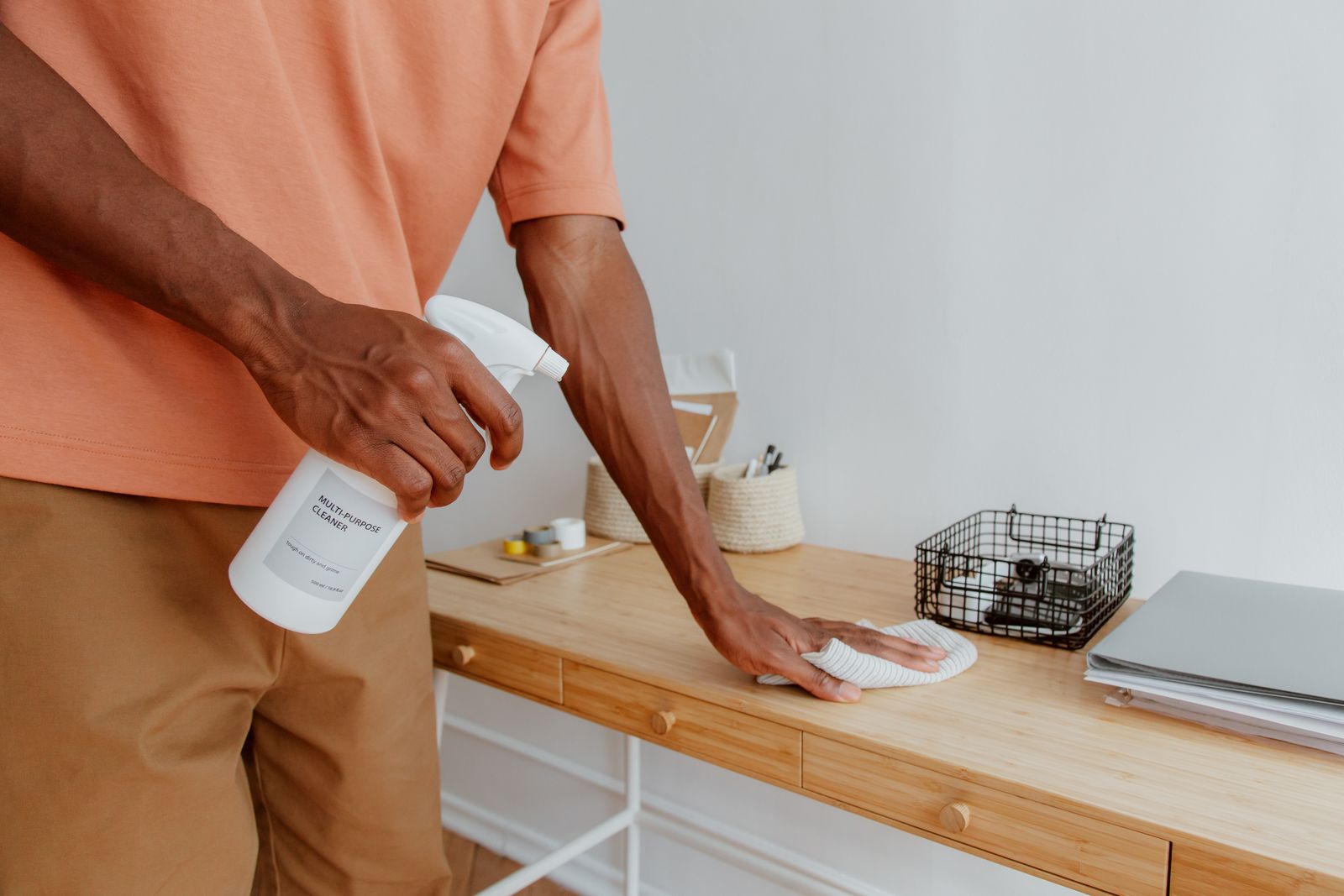
“Office cleaning” can mean almost anything until it is written down. One provider’s nightly visit covers desks, restrooms, and floors in detail; another’s covers trash and a quick vacuum, and both call it a full service. The difference is the checklist. Below is the office cleaning checklist a professional janitorial service actually works from, room by room, so you can compare your current service, or any quote, against a real standard. Every item here is part of the customized checklist we build for each facility from our full range of janitorial services.
Why a Written Checklist Matters
A checklist turns a vague promise into a verifiable routine. It defines which rooms are cleaned, which tasks happen on every visit, and which happen weekly or on rotation. It also gives both sides the same reference point: when something looks missed, you compare the room against the list instead of arguing from memory. A professional provider builds this list with you during the initial walkthrough, prices the work from it, and updates it as your office changes.
Reception, Lobbies, and Entryways
These spaces set the first impression, so they get attention on every visit:
- Entry glass and door handles cleaned and disinfected
- Reception desks and counters wiped down
- Waiting-area seating dusted and wiped
- Floors vacuumed or swept and mopped, including entry mats
- Trash and recycling emptied, liners replaced
- Light switches, elevator buttons, and other touchpoints disinfected
Offices, Workstations, and Conference Rooms
The heart of office janitorial service is the work area itself:
- Desks and work surfaces dusted and wiped, respecting papers and personal items per your instructions
- Phones, keyboards, and shared equipment touchpoints disinfected
- Conference tables cleaned, chairs straightened, whiteboards wiped as requested
- Trash and recycling collected from every office and workstation
- Carpet vacuumed, including edges and under-desk areas on rotation
- Glass partitions and interior windows spot-cleaned
Restrooms
Restrooms are where cleaning quality is judged most harshly, and they carry the longest task list:
- Toilets and urinals cleaned and disinfected, inside and out
- Sinks, faucets, counters, and mirrors cleaned
- Partitions, door handles, and dispensers disinfected
- Floors swept and mopped with disinfectant
- Paper products, soap, and supplies restocked
- Trash emptied and sanitary receptacles serviced
Break Rooms and Kitchens
- Counters, sinks, and faucets cleaned and disinfected
- Appliance exteriors wiped, including microwaves inside and out
- Tables and chairs cleaned
- Floors swept and mopped
- Trash and recycling emptied, with liners replaced
Floors Throughout the Building
Every visit covers the basics: carpet vacuumed in traffic areas, hard floors swept and damp-mopped, and entry mats shaken or vacuumed so tracked-in grit does not spread. On a scheduled rotation, the checklist adds detail vacuuming along edges and under furniture, spot treatment for carpet stains, and machine work. Periodic commercial floor care and carpet cleaning sit on top of the nightly routine, not instead of it.
Trash, Recycling, and Supplies
A complete visit ends with waste collected from every room, liners replaced, and centralized trash taken to the building’s designated area. Restroom and break room supplies are checked and restocked so the building never starts the morning with an empty dispenser. Your checklist should state plainly who provides consumables and cleaning supplies, so there are no surprises later.
Periodic and Detail Work
Some tasks do not belong on a nightly list but must live somewhere in writing: high dusting of vents, ledges, and light fixtures; interior window and glass cleaning; upholstery and partition spot cleaning; vent and baseboard detail; and refrigerator clean-outs on request. Assign each a frequency, monthly, quarterly, or seasonal, when the checklist is built.
What Is Usually Not Included Unless You Add It
A standard janitorial checklist does not automatically include exterior windows, pressure washing, deep kitchen equipment degreasing, or cleaning inside personal desk drawers and cabinets. None of these are problems; they are simply scope decisions. If you want them covered, add them to the checklist at the walkthrough so they are priced and scheduled, not assumed.
Put This Checklist to Work
Use this list to audit your current arrangement: walk your office with it after your next scheduled clean and note what matches and what does not. If you are evaluating providers, ask each one to price the same written checklist. That is exactly how we start: a free on-site walkthrough, a customized checklist for your office, and a free written estimate, with no deposit required and our work backed by a 2-year warranty. Call (513) 301-0162 Monday through Friday, 7:00 AM to 9:00 PM, to schedule yours.
Matching the Checklist to Your Cleaning Schedule
Not every task happens on every visit, and the checklist should say so explicitly. A common structure is nightly tasks (trash, restrooms, touchpoints, floors in traffic areas), weekly tasks (detail dusting, glass, edge vacuuming), and monthly or quarterly tasks (high dusting, vents, machine floor work). Frequency also varies by room: a client-facing lobby may need daily attention while a storage room needs only a weekly pass. Writing the frequency next to each task prevents the slow drift where everything gradually becomes “as needed,” which usually means not done at all. When your building’s headcount, hours, or layout changes, update the frequencies at the same time. The checklist is a living document, and a short review each quarter keeps it honest.
Leave a Reply